
 Français
 Română
 Home
Home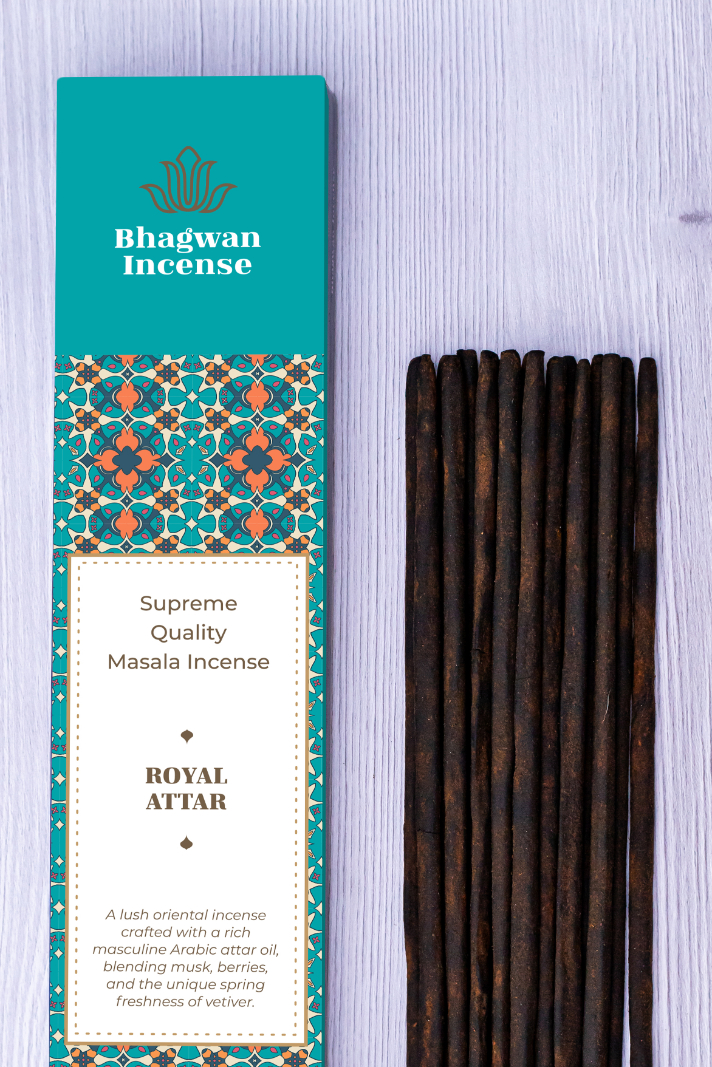

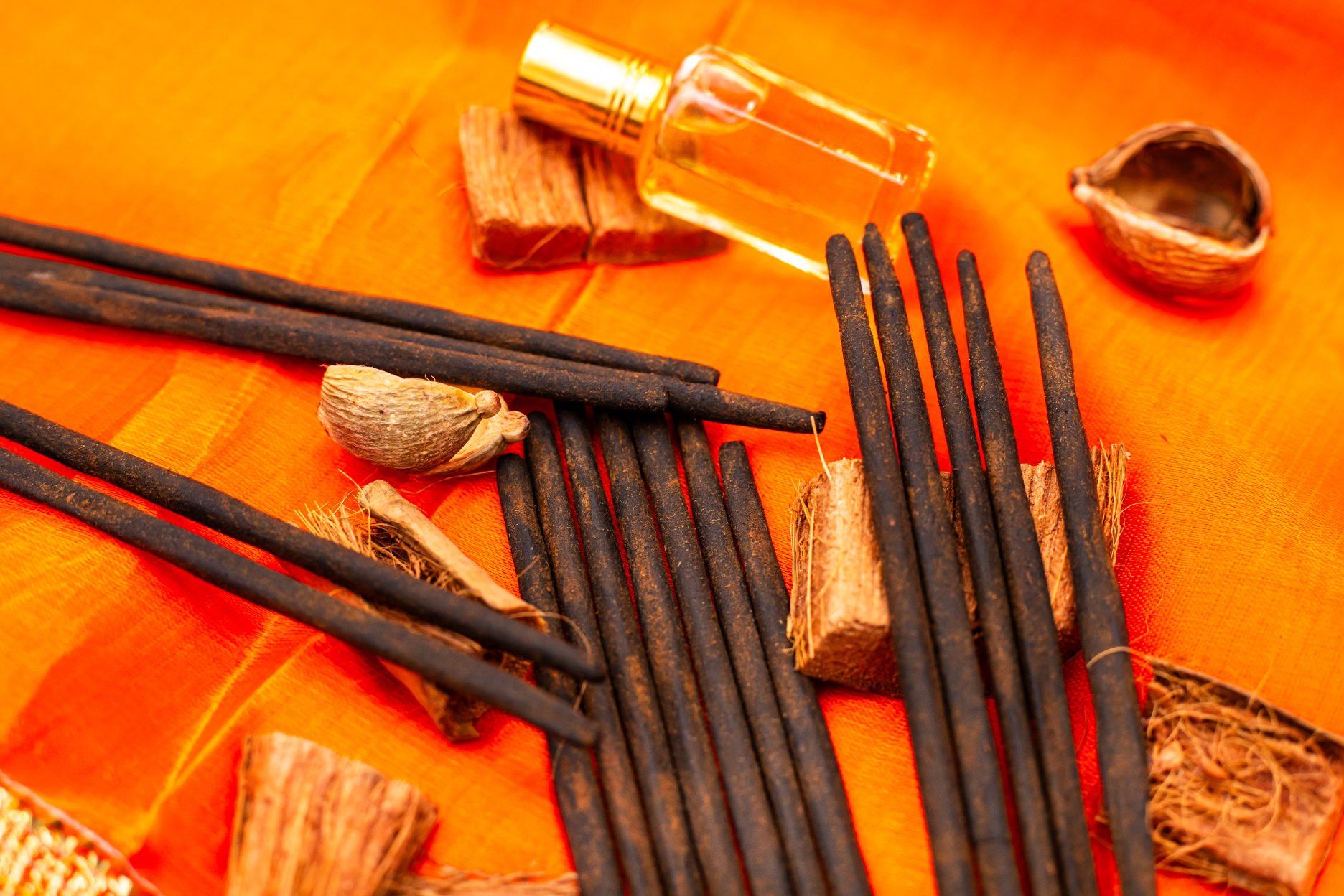

Long before glass bottles and gilded labels, when empires rose beneath desert suns and the air shimmered with spice and song, the first attars were born.
In the perfumed heart of an ancient kingdom — some say it was Kannauj, others whisper it was Persia — a young alchemist served in the royal court. His duty was to capture beauty itself, to distill the scent of paradise for his king.
Each dawn, he walked through the palace gardens heavy with rose, jasmine, champa, and lotus, collecting petals still wet with dew. In the cool shadow of copper stills, he layered flowers with sandalwood oil, heating them slowly over gentle fires. The steam carried the soul of the blooms into the waiting sandalwood — and thus, attār, the “essence,” was born.
When the first drop touched the king’s wrist, the court fell silent. The fragrance seemed alive — delicate yet eternal, like sunlight caught in water. The queen smiled and said it smelled of memory and prayer. From that day, attars were made not only for beauty, but for ritual, meditation, and love.
For centuries after, each perfumer added his secret — a touch of amber, a breath of musk, a drop of oud — but all kept the same sacred craft: distilling the soul of a flower into oil, drop by patient drop.
And even now, when a bottle of pure attar is opened, the air recalls those ancient days — when perfume was not worn, but worshipped.
Show only reviews in English (0)
Be the first to review “Royal Attar Incense Sticks”
Related products
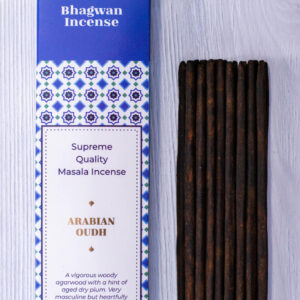
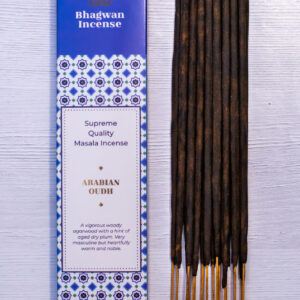
A resinous, masculine, earthy oudh with a subtle dried plum note and a warm timber base, complemented by subtly musky and spicy notes.
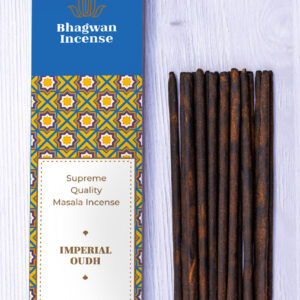
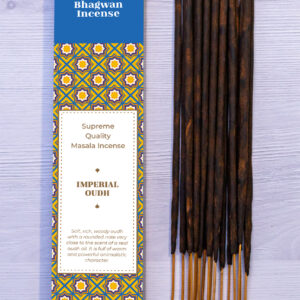
Young oudh. Soft and warm, with a thick, woody-resinous fragrance profile and distinct timber notes.
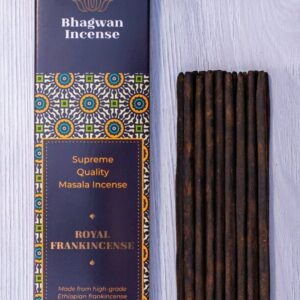
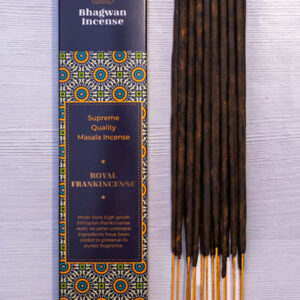
Rich, woody and resinous frankincense incense made with top-grade Ethiopian resin. Rare woody top notes with hints of pine and citrus. Highly rated by ORS.

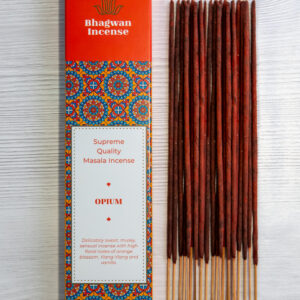
Delicately sweet, musky, sensual incense with high floral notes of orange blossom, Ylang-Ylang and vanilla. Best Opium Incense on the market today.


One of the few true ambers crafted from the finest natural resin. Luxuriously rich and honey-soft, with a lingering sweet note of timeless elegance.
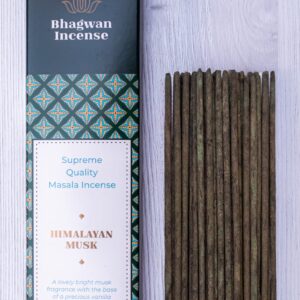
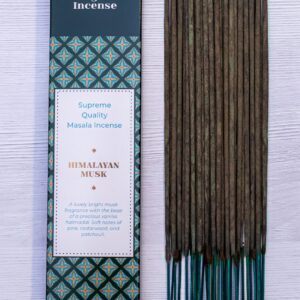
A light, luxurious musk with soft notes of pine, cedarwood, patchouli, and a playful touch of chocolate—fluffy, airy, and delicious.
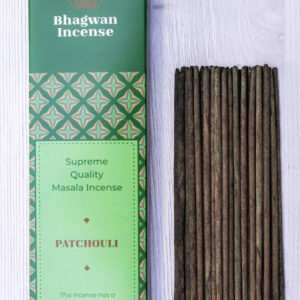

This incense is made with high quality patchouli oil and has a prominent woody-balsamic base.
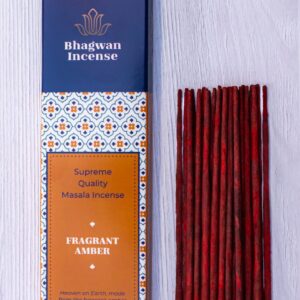

A deep, timber-like amber with a prominent almond note. Very distinctive and unusual, it stands out from all other ambers.
Reviews
There are no reviews yet.